
“Maths is fundamentally a different process in education than it is in the real world. There is an insistence that we do maths by hand when most of it is done by computers. The idea that you have to do everything by hand before you can operate a computer is nonsense.”
Conrad Wolfram
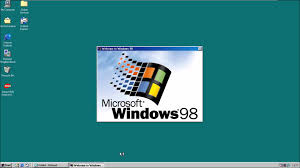
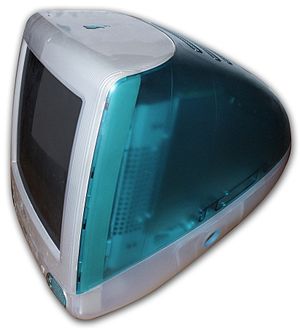
Our lives now in 2018, for the most part, revolve around technology. The way that we interact with technology has changed so much in the last 50 years and even in the past 20 years there have been major advances in technology. In 1998, Google was founded, Windows 98 was released, and Apple unveiled the first iMac. As it happens 1998 was also the year that I was born, so in my lifetime I have seen some of the greatest advances in technology. Being born in 1998 meant that I started my math education in 2003, in my experience through grade school and high school technology was something that we were never allowed to use as a learning tool. Now being a Junior in college the interaction with math education and learning is very different. Having a laptop is an essential part of the curriculum and professors use technology constantly to aid in their teaching. With this change of attitude towards technology and math education I wanted to learn more about the benefits of using technology as a learning tool, so I decided to conduct some research on the matter.
Initially I started looking at previous research that had been done in this field to get and understanding of what other people had found in regards to the effects of technology and mathematical learning . What I found was that other researchers were concluding that using technology as a learning tool generally helps student understand and communicate math concepts. What I found was missing was a type of cross-sectional research where an experiment used more than one type of technology to determine which has a greater effect on students understand of a topic. Previous research that wanted to study teaching math topics with computers made an observation that “there is not enough research available on the interaction between people and computers”(Tringa et. al, 1995). These researchers were trying to contribute to a body of knowledge that we know very little about. This research was completed ahead of its time, but in reality we should have started incorporating computer in mathematical learning where computers became more accessible. Another paper that I read on the subject focused on students using tablets to increase understand and math communication, this research was completed in 2016 so in 11 years we have only transitioned from research on mathematical learning with computer to tablets (Volk et al., 2017).
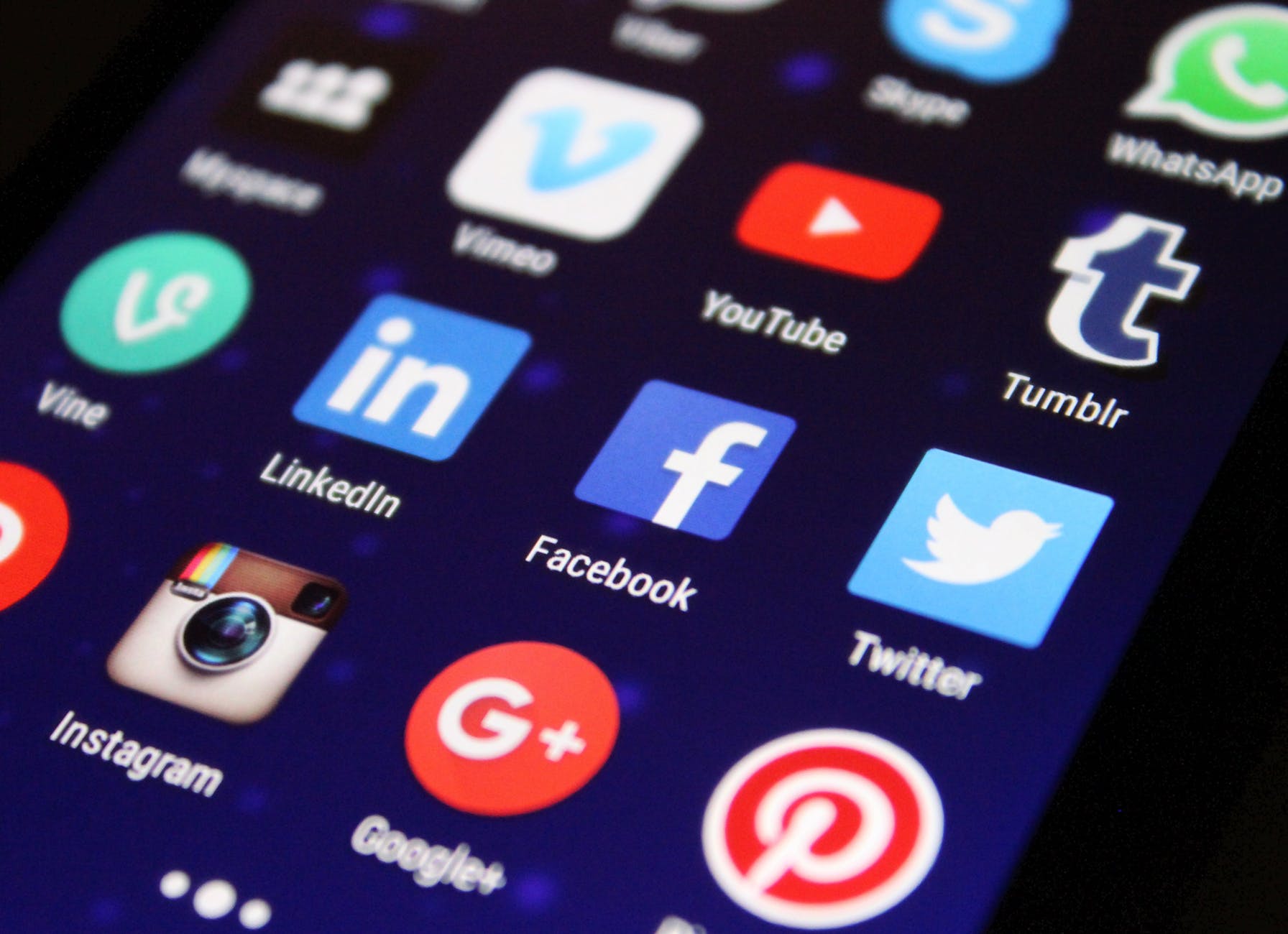
Since the previous research that I found only used one type of technology I decided to start research on how students react to different types of technology when approaching mathematics. In this type of experiment I would take a classroom of math students and divide them up into 4 group, a control group that would learn as normal, a group that would use computers, a group that would use tablets, and a group that would use smartphones. Essentially have 3 different experiments going on at once and determine if any group had a better outcome than the others. In my experiment the students would have the freedom to use the technology in any way they chose as long as they thought it would aid in their education of math. They could look up the topic before learning it formally, research has shown that using a flipped classroom model with programs like Khan Academy can help student better visualize the concept (Silverman, 2011).
Now some people may be asking, “Why should I care about this research? It doesn’t affect me I’m already out of school.” The reason that this research is important is because the outcome of studies like these can affect the way that people approach math and how teacher integrate technology in the classroom in the coming decades. If there is more evidence to support the fact that technology help student better understand mathematics then the government might start funding project to get more technology in school so that students can use it. Right now, the amount of government funding that is being designated for education is abysmal considering the impact that it can have on future generation and the rest of the world. The more that people know and talk about the power of technology the more lawmakers will have to start paying attention to it and changing the way this country approaches education and take it more seriously. Research like mine has the ability to start conversations with people about how they use technology and how to use it to help young people learn in way that maybe some teacher can’t. Every student has a different brain, and a different way of processing information and giving students the tools to learn to their own individual needs allows them to become confident in their math skills. Integrating technology in the classroom could prevent more people from being defeated by a teacher that punishes students for not understanding the material when it is taught one way. My research and other types of research like it could change the way that we approach education and really bring it into the 21st century with the rest of the world.
 Grace's Innovative Ideas